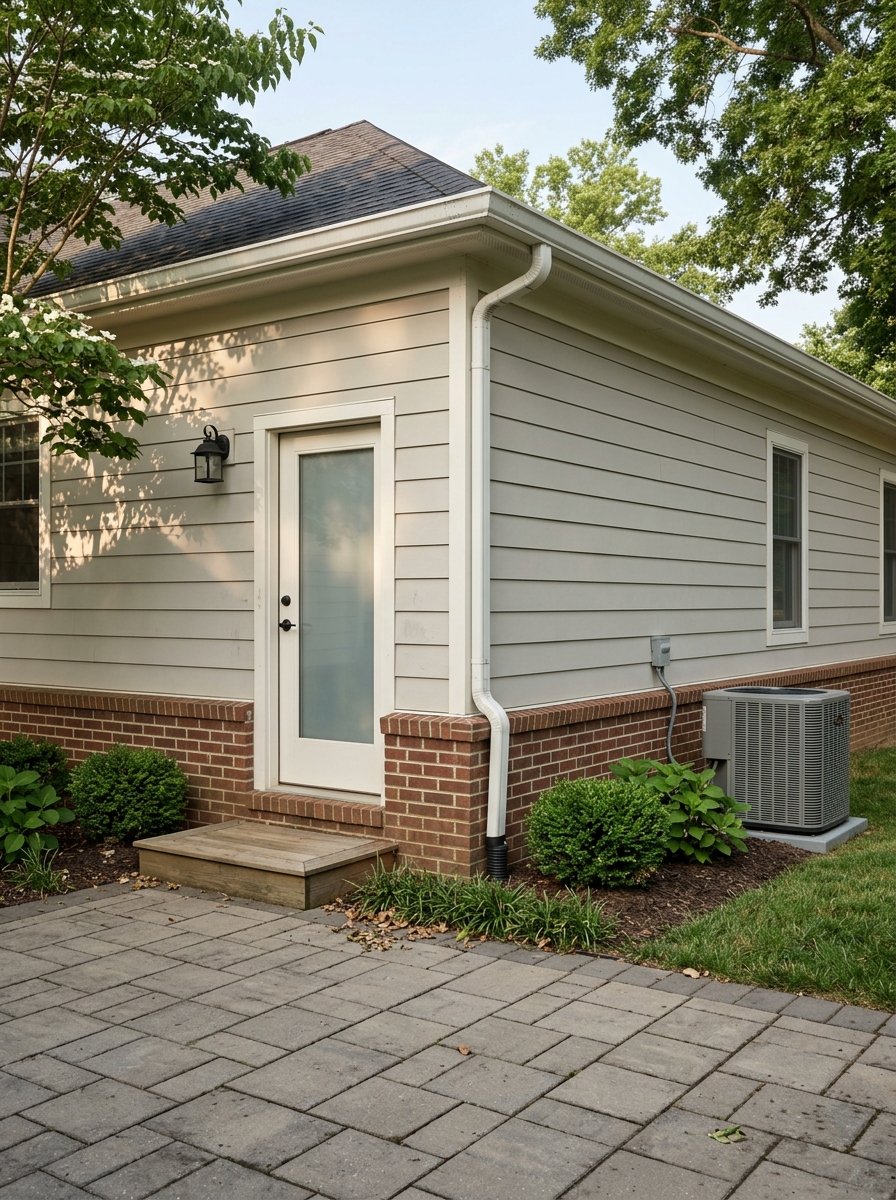
High Point Investment Property Strategy: Sell or Keep?
July 2, 2026
July 2, 2026
If you own a rental in High Point, you may be asking a big question at exactly the right time: should you keep collecting rent, or cash out while the market is still moving? That decision is rarely just about price. It is about your numbers, your reserves, your property’s condition, and how much time and stress the rental now requires. This guide will help you weigh the sell-or-hold decision in High Point with a practical, local lens. Let’s dive in.
High Point’s resale market looks active, but not overheated. Public market trackers showed a typical home value of $252,944 and 399 homes for sale in late May 2026, with a median 19 days to pending on one platform. Another reported a median sale price of $279,833 over the prior three months, about 46 days on market, 2 offers on average, and a 97.4% sale-to-list ratio.
The exact numbers differ because each source uses its own method and time frame. Still, the big takeaway is consistent: a well-priced property in High Point can still sell in a reasonable window. That matters if you are considering an exit rather than holding through another lease cycle.
High Point also has a meaningful renter base. Census QuickFacts lists a median gross rent of $1,116 for 2020 through 2024, and Zillow’s asking-rent index showed average rent at $1,464 in May 2026, up 3.8% year over year.
The city’s housing plan reports 18,866 renter-occupied households and 21,177 owner-occupied households. So while High Point is still majority owner-occupied, there is real rental demand. That can support a hold strategy, but only if your property can compete well and produce durable cash flow.
Condition matters a lot in High Point. The city’s draft 2025 to 2029 Consolidated Plan says 27% of the housing stock was built before 1970, and 47% of renter-occupied units had at least one selected housing condition.
That tells you something important. Demand may exist, but older homes often need more attention, and renters still compare your property to other houses, apartments, and subsidized housing options across the city.
High Point’s housing mix is broad. About 64% of residential properties are single-unit detached homes, while 15% are in 5 to 19 unit buildings and 7% are in 20+ unit buildings. If your rental is dated, inefficient, or repair-heavy, it may underperform even in a market with renters looking for housing.
Holding can make sense when the property is stable, the rent is healthy, and you have enough reserves to manage surprises. It can also make sense if the home is in good condition and you are not relying on every dollar of monthly cash flow to stay afloat.
A stronger hold case usually includes:
If those pieces are in place, holding may continue to serve your long-term plan.
Many owners look only at rent minus mortgage. That is too simple for a real decision. You need to compare net rent to the net proceeds you would receive from selling.
For a realistic hold analysis, account for:
Property taxes deserve special attention right now. Guilford County’s FY2027 adopted county rate is 78.95 cents per $100 of assessed value, and the county says the 2026 tax bill will still use the same property value as the 2025 tax bill because of the current reappraisal moratorium. High Point’s FAQ page still lists a city property tax rate of 61.75 cents per $100, while the city’s FY2026-27 proposed budget would lower that rate if adopted.
The practical lesson is simple: verify the current adopted tax bill before making a hold decision. An outdated tax assumption can throw off your annual numbers.
If you keep the rental, you are also keeping the legal responsibilities that come with it. North Carolina law requires landlords to keep the premises fit and habitable, make needed repairs, keep common areas safe, and promptly repair major systems after written notice.
The law also addresses smoke and carbon monoxide alarm compliance and serious safety failures such as unsafe wiring, lack of heat, or broken locks and windows. That means compliance is not optional, and repair deferral can become expensive fast.
Security deposits also come with rules. North Carolina’s Tenant Security Deposit Act caps residential security deposits based on lease term, requires trust-account or bond treatment, and requires itemized accounting and refund timing after move-out.
In plain terms, your security deposit is not your repair reserve. If you are holding a property with thin reserves, recurring maintenance issues, or deferred repairs, the risk side of holding may be larger than it first appears.
Selling often becomes the stronger move when the property keeps demanding cash, time, or attention that no longer fits your goals. High Point’s market data do not suggest a dead exit market, which means owners still have an opening to sell a well-positioned property in a market with active resale demand.
A sell decision may be more attractive when:
This can be especially true for accidental landlords or owners of older homes that need ongoing capital work.
A simple framework can help you cut through emotion and focus on numbers.
| Question | Hold | Sell |
|---|---|---|
| Monthly income potential | Based on net rent after real expenses | Ends rental income but creates sale proceeds |
| Repair risk | Stays with you | Shifts after closing |
| Tax and insurance burden | Continues annually | Ends after sale |
| Time commitment | Ongoing | Front-loaded during listing and closing |
| Flexibility | Limited by lease, turnover, and maintenance | Higher once asset is sold |
Use this table as a starting point, not the final answer. The stronger choice depends on your actual property, tenant timing, condition, and financial goals.
Before you decide to sell, estimate what you would actually walk away with. That means looking past the possible list price and focusing on likely net proceeds after commissions and closing costs.
Then compare that number to what the rental is likely to earn you over the next year or two after vacancy, taxes, insurance, maintenance, and possible capital expenses. If the spread is narrow, selling may simplify your life without costing much upside. If the rental produces solid net income and the property is in good shape, holding may still be the better move.
Timing matters. If your property is occupied, lease terms and turnover timing can affect whether selling now or waiting makes more sense.
Some owners benefit from selling after a tenant moves out so the home can be cleaned, repaired, and priced for owner-occupant buyers. Others may prefer to hold until a lease milestone if the rent is strong and the tenancy is stable. The best path depends on the property’s condition, the lease situation, and whether the home is likely to show better vacant, improved, or as-is.
If you want a quick gut-check, ask yourself these questions:
If you answer yes to most of these, holding may still fit. If several answers are no, selling may deserve a serious look.
In a market like High Point, the answer is rarely one-size-fits-all. A clean, well-maintained rental with solid cash flow may be worth keeping. A tired property with rising repair needs and thin margins may be better sold while resale activity is still healthy.
The best next step is to look at neighborhood comps, as-is versus improved value, tenant timing, and realistic net proceeds side by side. If you want clear guidance on your High Point rental, Heidi Christie can help you evaluate your options, coordinate vendors if needed, and build a practical strategy for your next move.

October 22, 2026
October 15, 2026
October 8, 2026
October 1, 2026
September 24, 2026
September 17, 2026

September 10, 2026

September 3, 2026

August 27, 2026
Trust her 22+ years of care, discretion, and real estate savvy in Winston-Salem. From residential homes to commercial listings, she brings precision, professionalism, and a seamless experience.