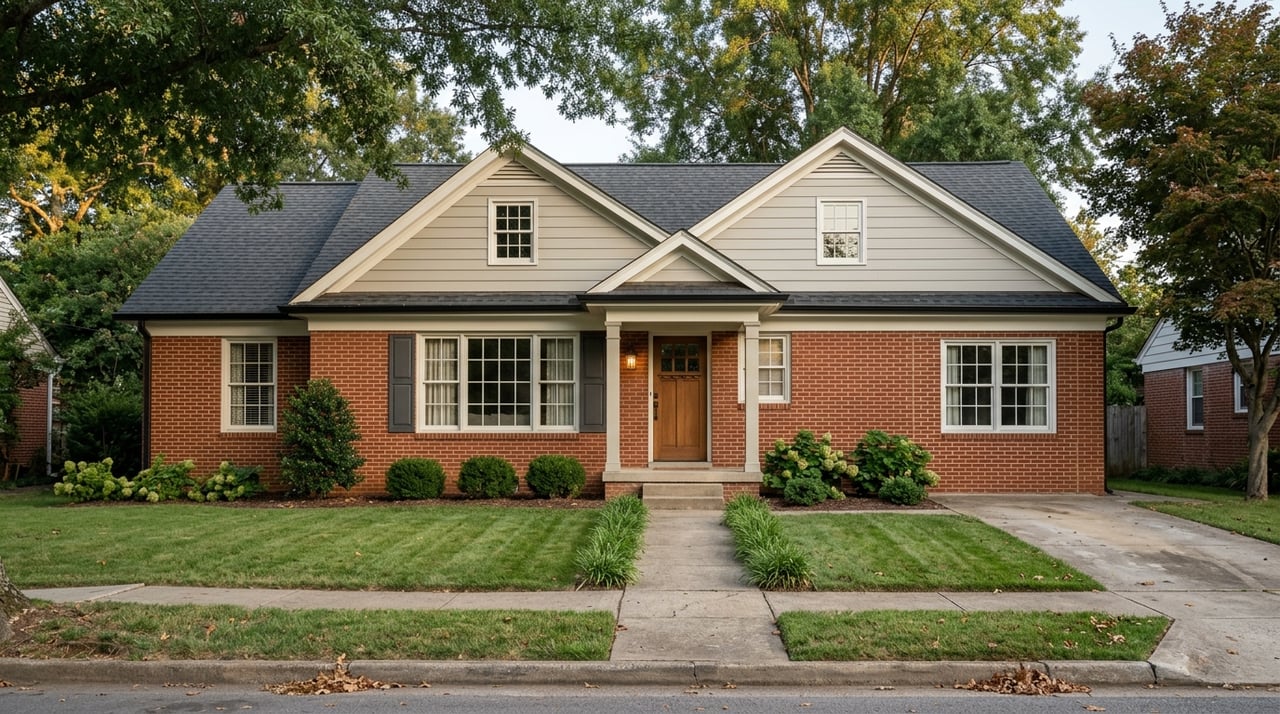
Living in Winston-Salem NC: What Daily Life Feels Like
June 4, 2026
June 4, 2026
Curious what day-to-day life in Winston-Salem actually feels like once the moving boxes are unpacked? If you are considering a move, it helps to picture more than just home prices or listing photos. You want to know how people get around, where daily life happens, and what your weekends might look like. This guide breaks down what everyday life is really like in Winston-Salem so you can decide whether the city fits the way you want to live. Let’s dive in.
One of the best ways to understand Winston-Salem is to think of it as a mid-sized city with compact activity centers. The 2025 population estimate is 257,271, which gives the city enough scale for jobs, dining, and entertainment without feeling overwhelming.
Daily life often revolves around a few connected hubs instead of one giant downtown. Work, errands, dining, and recreation tend to cluster in practical ways, which can make routines feel more efficient and easier to navigate.
If commute time matters to you, Winston-Salem offers a fairly manageable rhythm. The city’s mean travel time to work is 21.5 minutes, which fits what many buyers hope to find in a mid-sized market.
Major commuting corridors include U.S. 421/Salem Parkway, U.S. 52, and I-40. The Winston-Salem Northern Beltway is also under construction as a 34.5-mile loop intended to help reduce congestion and improve safety on major routes in the area.
For public transit, WSTA fixed-route buses run from 5:00 a.m. to 11:00 p.m. on weekdays and cost $1.00. Service centers around the Clark Campbell Transportation Center downtown, where riders can also connect with PART and Greyhound.
Winston-Salem’s economy is supported by a mix of health care, education, finance, government, and manufacturing. Major employers include Atrium Health Wake Forest Baptist, Novant Health, Winston-Salem/Forsyth County Schools, Truist, Wells Fargo, Wake Forest University, the City of Winston-Salem, and Forsyth County.
In practical terms, that means many residents structure their day around a few major work hubs. The medical district, downtown, and Innovation Quarter are especially important parts of the city’s daily geography.
Innovation Quarter is a major example of how Winston-Salem blends work, education, and urban living. It includes more than 170 companies, five academic institutions, about 3,700 workers, 1,800 degree-seeking students, and roughly 770 apartments and condos nearby.
Its focus includes biomedical science, information technology, digital media, clinical services, and advanced materials. For many residents, that creates a lifestyle where work, nearby housing, and downtown amenities are closely connected.
Downtown Winston-Salem is not just one single strip. The city’s downtown plan groups the Arts District, Fourth Street, Industry Hill, and Innovation Quarter as a compact collection of districts, which helps explain why the area feels active without feeling too spread out.
That setup matters in everyday life. You can often go to dinner, catch live music or a show, and walk between destinations in the same outing.
The Downtown Arts District is a compact six-block stretch with galleries, shops, eateries, bars, music halls, and theater. Because so much is close together, a night out can feel simple to plan and easy to enjoy.
Winston-Salem also has several cultural anchors that support a steady local rhythm. These include Kaleideum downtown, the Milton Rhodes Center for the Arts, Reynolda House Museum of American Art, Old Salem Museums & Gardens, and The Ramkat.
Food and drink are a big part of social life in Winston-Salem. The city has more than a dozen breweries and distilleries, and Industry Hill has seen renewed activity with restaurants, breweries, and live music.
Downtown dining often centers on Fourth Street Restaurant Row and nearby Trade Street. For many residents, that means weekday dinners, casual meetups, and weekend outings can stay close to the city core.
Winston-Salem offers a strong mix of parks, trails, and outdoor spaces that support different kinds of routines. The city operates 82 parks, 27 miles of greenways, two lakes, and more than 3,800 acres of managed park land.
That range gives you options whether you want a quick walk, a bike ride, a long run, or a more relaxed outdoor afternoon. The greenway network is also designed to connect neighborhoods and destinations, which adds convenience to everyday use.
Salem Lake is one of the city’s defining recreation areas. The trail loop is 7 miles long, connects to the Salem Creek Greenway, and supports walking, running, biking, boating, kayaking, canoeing, and fishing.
It is also described as less than a 10-minute drive from downtown. That makes it feel like a true weekend destination without needing to leave the city.
Not every outdoor routine needs to be a big outing. Gateway Nature Preserve offers a 19-acre urban wildlife habitat close to downtown, and Washington Park along the Salem Creek Greenway gives residents another easy option for fresh air and movement.
If you prefer a more landscaped setting, Reynolda Gardens is open daily from sunrise to sunset. Old Salem also offers a different kind of outdoor experience, with walkable historic spaces, gardens, and museum grounds.
One of Winston-Salem’s biggest strengths is housing variety. Different parts of the city support different routines, maintenance preferences, and architectural tastes.
That variety matters if you are deciding between historic character, lower-maintenance living, or a more suburban setup. In Winston-Salem, those options can often exist within the same city limits.
West End was the city’s first Historic Overlay District and was planned in 1890 as a picturesque streetcar suburb. It is known for Queen Anne, Neo-Classical Revival, Colonial Revival, and Craftsman homes.
The district also kept its parks and residential boulevards. In daily life, that can translate to an older, more walkable neighborhood feel with strong historic identity.
Ardmore began around 1910 and is often recognized for its collection of Craftsman Bungalows, Colonial Revival houses, Period Cottages, Minimal Traditional houses, and some Tudor Revival homes. It reflects the city’s early automobile suburb pattern.
For buyers, Ardmore can feel practical while still offering clear architectural character. It is one of the areas that shows how Winston-Salem balances history with day-to-day functionality.
West of the center city, the West Ward includes older Buena Vista addresses along with newer subdivisions such as Sherwood Forest, New Sherwood Forest, and Century Oaks. The area also includes townhomes, cluster homes, and apartments.
That creates more variety in lot size and maintenance level than you may find in the historic core. If you want options across home style and upkeep, this part of the city may feel especially flexible.
South Ward includes Washington Park, which was designed in 1906 and features older homes, along with West Salem’s vintage housing and newer growth along Peters Creek and Silas Creek. This gives the area a blend of established character and newer development patterns.
East Ward includes downtown condos and lofts, traditional single-family homes in Reynoldstown, upscale rentals in Kensington Village, and more suburban living in Sedge Garden. Together, these areas show how Winston-Salem can fit very different routines depending on where you land.
In many cities, weekends require a longer drive to find something interesting to do. In Winston-Salem, popular weekend patterns often stay close to home.
You might spend the morning at Salem Lake, walk through Reynolda Gardens, explore Old Salem, or head downtown for a meal and live music later in the day. Because so many destinations sit within a fairly small radius, weekends can feel full without becoming complicated.
Winston-Salem can be a strong fit if you want a mid-sized city with a clear sense of place. It offers connected job centers, a compact downtown experience, accessible outdoor recreation, and neighborhoods with distinct housing styles.
It may especially appeal to buyers who want choices in how they structure daily life. Whether you prefer historic in-town living, a condo near downtown activity, or a more suburban setup within city limits, Winston-Salem gives you multiple ways to make the city work for you.
If you are thinking about moving to Winston-Salem or comparing neighborhoods across the Triad, working with someone who understands how these daily patterns connect can make your search much easier. For tailored guidance on Winston-Salem neighborhoods, commute considerations, relocation planning, and your next move, schedule a free consultation with Heidi Christie.
September 17, 2026

September 10, 2026

September 3, 2026

August 27, 2026
August 20, 2026
August 13, 2026
August 6, 2026
August 6, 2026
July 23, 2026
Trust her 22+ years of care, discretion, and real estate savvy in Winston-Salem. From residential homes to commercial listings, she brings precision, professionalism, and a seamless experience.