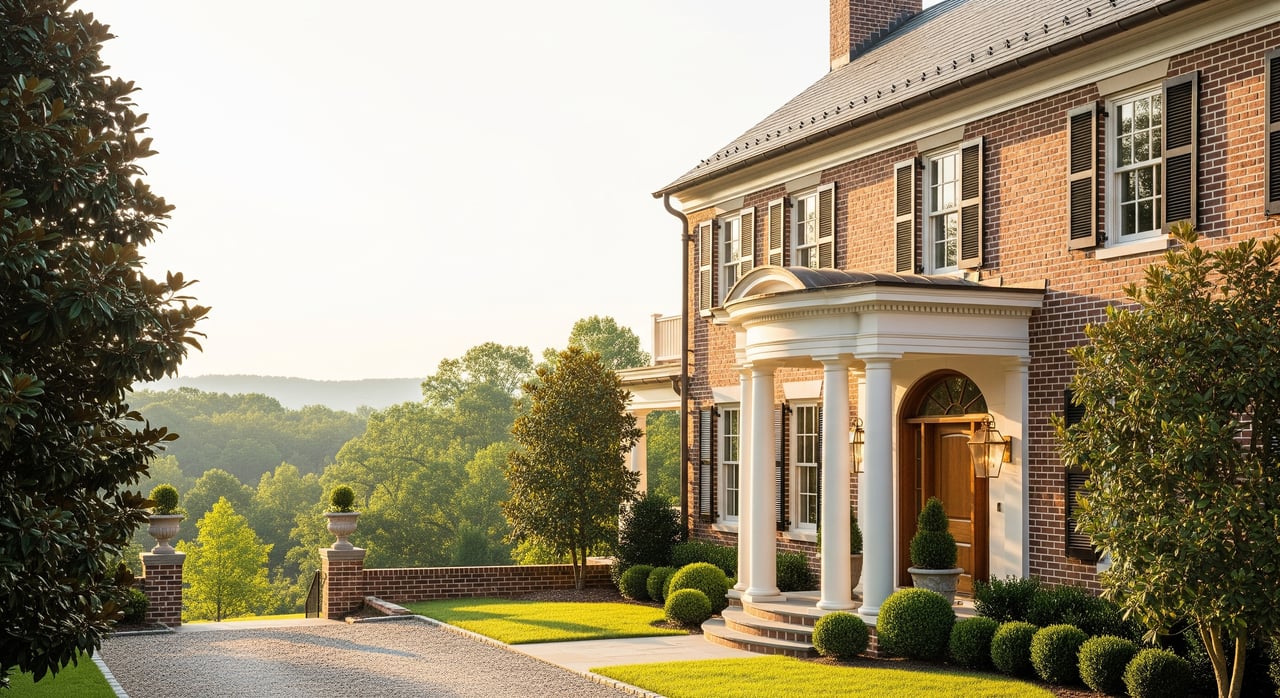
North Carolina Closing Costs for Kernersville Homebuyers
December 18, 2025
December 18, 2025
Buying a home in Kernersville comes with a lot of line items at the finish line, and closing costs can be the trickiest to predict. If you are trying to build a smart budget, you are not alone. Many buyers focus on the down payment and forget how lender fees, title charges, and prepaids add up.
This guide walks you through what closing costs include in North Carolina, what Kernersville buyers typically pay, what is negotiable, and how seller credits and lender choices affect your cash to close. You will also get a simple plan to estimate your numbers with confidence. Let’s dive in.
Closing costs are everything you pay to close, not including your down payment. For most buyers, this totals about 2% to 5% of the purchase price, depending on your loan type, price point, and local fees. Lender and title charges are the biggest pieces, and prepaid items like taxes and insurance can raise the total cash you need at the table.
You will see your fees twice from your lender: first on the Loan Estimate within three business days of applying, then on the Closing Disclosure at least three business days before you sign. Use these documents to confirm what you owe, how any seller credits are applied, and what changed since your offer.
These are fees tied to your mortgage. Most are paid by you, and some are negotiable with your lender.
You can often trade fees for a lender credit or a different interest rate. Your loan officer sets what is allowed based on your program.
In North Carolina, closings are commonly handled by a closing attorney or title company. You will likely see:
Who pays what can vary by local custom and negotiation. In some markets sellers cover the owner’s policy, while in others buyers do. Ask your closing attorney or title company for a clear estimate early.
Prepaids fund items that occur on a schedule, not as a one-time fee.
These items can swing your cash-to-close depending on your closing date and billing cycles.
Recording fees for the deed and your mortgage are paid at closing. Forsyth County sets these fees, and while each line is usually modest, the totals can add up. North Carolina does not use the same statewide real estate transfer tax structure that some other states use. Your closing attorney will include the county’s current fee schedule in your estimate.
Most Kernersville buyers pay for inspections outside of closing. These can include home, septic, well, wood-destroying insect, radon, HVAC, and a survey. You typically pay these as you go during your due diligence period.
Many Kernersville-area communities are in homeowners associations. Buyers may pay transfer fees, document fees, or prorated dues. Get HOA contacts from the seller early so you are not surprised by paperwork or timing.
Some costs are almost always buyer-paid, such as your loan fees, prepaids, and recording your mortgage. Others are flexible.
Treat these as negotiable line items when you write your offer. Local title companies in the Triad will quote the exact premiums and fees.
Seller credits are a powerful tool to reduce your cash to close. You can ask the seller to pay specific costs or to provide a general credit up to a set amount. These credits do not reduce the purchase price, but they do lower how much you need to bring to closing.
Loan programs set maximums for seller contributions. Common guidelines include:
Always confirm your exact limit with your lender before you make an offer.
You can choose how you balance upfront cash and your monthly payment.
Ask your lender for scenarios that show the break-even point, then pick the option that fits your timeline and cash goals.
Your closing date changes how much prepaid interest you owe and how your escrow deposits are sized.
Start with these details so your estimates are accurate:
List the pieces that make up cash to close:
You will receive a final Closing Disclosure at least three business days before closing. Compare it to your Loan Estimate and your contract. If totals change or a negotiated credit is missing, contact your lender, closing attorney, and agent right away so they can correct it before your signing date.
You want to keep funds in reserve. Your lender shows you a rate option with a lender credit that reduces closing costs. You write your offer asking the seller for a specific closing cost credit within FHA limits. Between the seller credit and the lender credit, your cash-to-close drops, and you accept a slightly higher monthly payment.
You plan to stay in the home for several years and want the lowest payment. Your lender shows you a no-credit rate and a rate with points. You choose to pay points at closing to buy down the rate. You also negotiate a modest seller credit to offset other closing costs, staying within your program’s cap.
The fastest way to reduce stress is to get real numbers early. Ask your lender for a Loan Estimate, request a settlement quote from a Forsyth County closing attorney, and line up HOA details if applicable. Then build your cash-to-close plan so you can write a confident offer and negotiate credits that match your goals.
If you want a clear, local plan from offer to closing, reach out to Heidi Christie. Heidi’s Kernersville and Triad experience, lender and attorney relationships, and calm, concierge approach make closing day smoother.
April 23, 2026
April 16, 2026
April 2, 2026
March 24, 2026
March 5, 2026

February 19, 2026
February 5, 2026
January 15, 2026
January 1, 2026
Trust her 22+ years of care, discretion, and real estate savvy in Winston-Salem. From residential homes to commercial listings, she brings precision, professionalism, and a seamless experience.