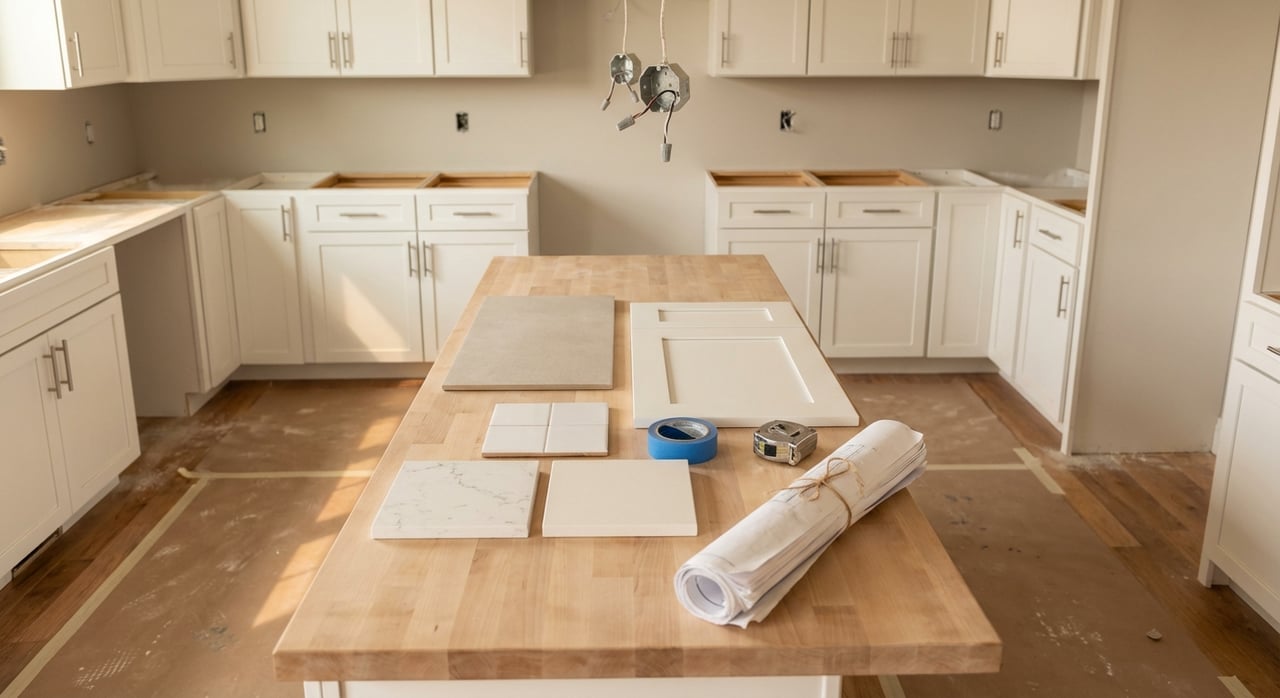
Partner With a Builder for New Construction in Advance NC
February 19, 2026
February 19, 2026
Thinking about building your next home in Advance? Partnering with a builder early can save you time, money, and stress while keeping your project on track. You want a clear plan, the right team, and a smooth path through county approvals. In this guide, you’ll learn how to choose a buildable lot, structure a smart contract, navigate Davie County permits and inspections, and close with confidence. Let’s dive in.
Starting your builder relationship before you buy a lot helps you avoid costly surprises. Your builder can flag site constraints, advise on plan adjustments, and price allowances before you commit. When you add an experienced local agent, you get contract guidance, timeline management, and coordinated communication with the county, lender, and builder.
Confirm zoning, setbacks, and permitted uses with Davie County Planning & Development Services. Their team oversees zoning, subdivision review, plan checks, permits, and inspections across unincorporated areas like Advance. Start your due diligence with the county’s resources and direct questions to Davie County Planning & Development Services.
Review local mapping and any applicable flood layers before you buy. Flood risk, stream buffers, and conservation overlays can change where you place the house, the driveway, and utilities. Ask your agent and builder to review site maps together so design choices match what the land allows.
If the site is not on public sewer, order a soil evaluation and secure on-site wastewater (septic) approval through Davie County Environmental Health. This is essential to confirm the lot can support your planned bedroom count and system type. Start with Davie County Environmental Health for applications and guidance.
Do not assume municipal water is available. Some Advance-area lots use private wells and septic, while others connect to county or town systems. Have your agent confirm service availability and any extension or tap fees before finalizing your offer.
Model home staff represent the builder, not you. A buyer’s agent helps you review the builder contract, negotiate allowance levels, and align contingencies with your lender’s process. As industry guidance notes, representation improves outcomes and keeps your interests front and center; see this overview on how agents protect new‑construction buyers.
North Carolina increased the threshold for when a licensed general contractor is required. Projects at or above 40,000 dollars in labor and materials generally require a licensed GC. Verify your builder’s active license and the correct classification. See the session law that set the 40,000 dollar threshold: SL 2023-108.
For improvement projects at or above 40,000 dollars, North Carolina requires the property owner to designate a registered lien agent to receive notices from subcontractors and suppliers. Your agent and builder should add this designation near the start of the contract process. Review the lien‑agent statute at G.S. 44A‑11.1.
Most builder contracts include allowances for cabinets, countertops, flooring, lighting, and appliances. Ask for sample pricing in advance and a clear, written change‑order process with known markups. Consider a contingency of 5 to 10 percent for interior finishes to cover selections and surprises; here’s a plain‑English explainer on budgeting and hidden costs during selections: how allowances impact final costs.
Construction-to-permanent loans and two‑close loans release funds by draw as work is completed. Your lender will likely require inspections, lien waivers, and an appraisal. Learn how draw schedules, rate locks, and closing costs differ with this overview of construction loan structures.
Your builder or you can apply for permits, but the county must review plans and complete staged inspections. Timelines can vary with workload, so build in some buffer. Start permitting questions with Davie County Planning & Development Services and verify current fees via the county’s Fee Schedules.
Davie County lists required inspections at milestones like footings, framing, rough‑ins, insulation, and final. Requests are typically due in advance, and concealed work must be visible when the inspector arrives. Review the county’s inspection procedures here: Davie County inspection rules and sequence.
If your lot accesses a state‑maintained road, you need an NCDOT driveway access permit. The review may include culverts or turn‑lane requirements based on the District Engineer’s evaluation. See the NCDOT access permit rules and decide early whether the owner or builder will handle this step.
Land disturbance at or above one acre typically requires an approved erosion and sedimentation control plan through NCDEQ. Local jurisdictions can be more restrictive, so check early. Start your review and submissions at the NCDEQ ESC portal.
Once all inspections pass, the county issues final approvals and the Certificate of Occupancy. Schedule your pre‑closing walkthrough with your agent and builder to create a clear punch list. Review how inspections flow into final approvals in the county’s inspection procedures.
File copies of permits, final inspection reports, septic operation permits, well documents, and the CO with your deed and closing papers. These records matter for resale, refinancing, and future service. For septic and well records or permit copies, contact Davie County Environmental Health.
A seasoned agent coordinates the buyer, builder, lender, and county contacts so details do not slip through the cracks. Typical tasks include reviewing contracts, tracking schedules, aligning construction draws with inspections, and managing the punch list to a clean close. For a quick overview of how representation improves outcomes, see this new‑construction buyer guide.
If you are a small builder, partnering with an agent can streamline your sales process and client communication. Provide your agent with sample contracts, allowance sheets, a finished‑home spec list, and a plain warranty summary. You get a consistent point of contact for buyers, professional marketing, and someone who understands construction timelines and expectations.
Use this quick list to keep your build organized:
Note: Fees and timelines change over time. Verify current amounts and processes with Davie County Planning & Development Services and the Environmental Health office. You can also check the county’s current Fee Schedules before submitting applications.
Ready to explore lots, interview builders, or compare contracts in Advance? Let’s put a clear plan together and get you from concept to keys with fewer surprises. If you want step‑by‑step guidance and a coordinated team, reach out to Heidi Christie to get started.
October 22, 2026
October 15, 2026
October 8, 2026
October 1, 2026
September 24, 2026
September 17, 2026

September 10, 2026

September 3, 2026

August 27, 2026
Trust her 22+ years of care, discretion, and real estate savvy in Winston-Salem. From residential homes to commercial listings, she brings precision, professionalism, and a seamless experience.