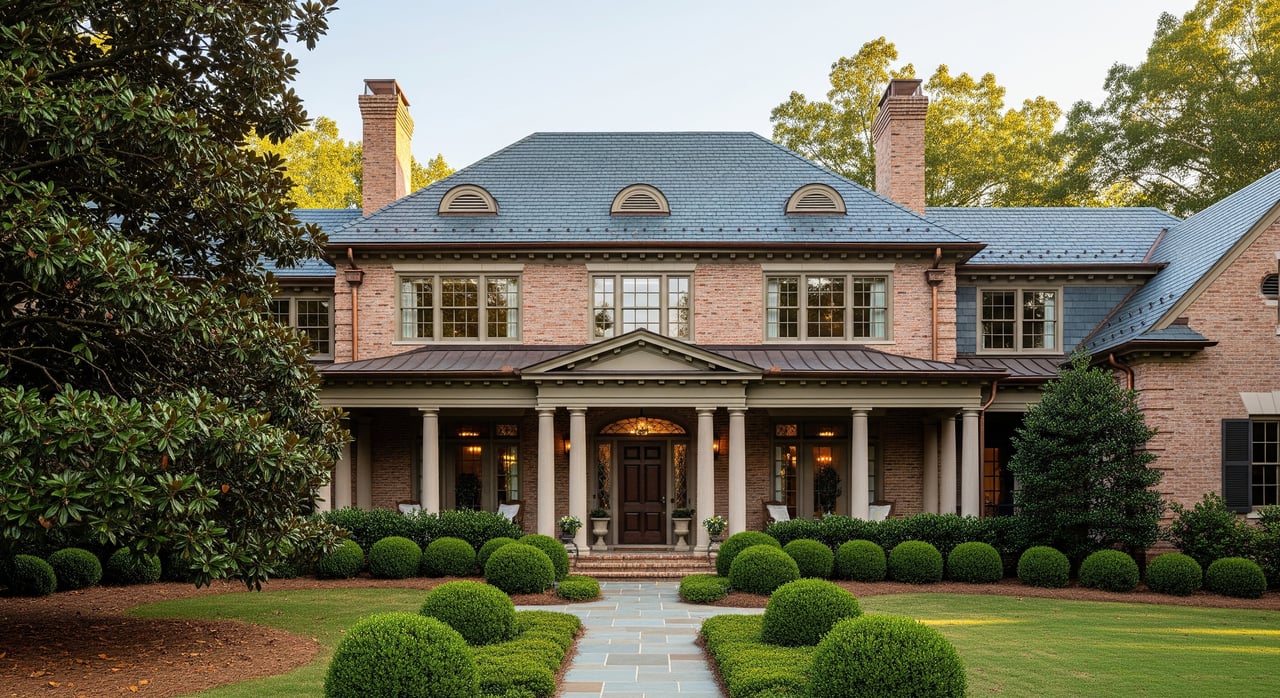
Relocating to Winston-Salem: Your Smart Homebuying Plan
February 5, 2026
February 5, 2026
Thinking about a move to Winston-Salem and not sure where to begin? You want a clear plan, realistic expectations, and a local guide who understands the market and the process. In this practical guide, you’ll learn how the city fits within the Triad, how to match neighborhoods to your lifestyle, and how North Carolina’s homebuying process works, including the due diligence fee and period. You’ll also get a step-by-step relocation timeline tailored to the next 6 to 18 months. Let’s dive in.
Winston-Salem sits at the center of the Piedmont Triad, alongside Greensboro and High Point. Major routes, including I-40, US-421, and US-52, connect neighborhoods and nearby towns, which helps if you’ll commute across the region. The economy draws professionals in healthcare, higher education, manufacturing, consumer goods, and professional services, with strong Wake Forest-affiliated institutions and growing life sciences and tech. The market is known for relative affordability compared to larger North Carolina metros and offers a wide range of housing styles and settings.
Pricing, walkability, commute times, and school options vary by neighborhood. A short list can help you narrow your search, then you can go deeper with local maps and data.
If you want character and proximity to cultural spots, consider Downtown, Innovation Quarter, West End, Old Salem, Buena Vista, Ardmore, and the Reynolda area. You’ll see early 20th-century bungalows, Craftsman and Tudor styles, and adaptive reuse lofts. Many of these areas offer walkable amenities and shorter drives to central employers.
If you prefer more space and newer construction, look at Clemmons, Lewisville, Pfafftown, Kernersville, and west and southwest pockets of Winston-Salem. You’ll find single-family homes in planned communities and a range of townhomes. These areas often offer neighborhood amenities and convenient access to I-40 for regional commutes.
New-construction neighborhoods provide move-in-ready homes, builder warranties, and HOA-managed amenities. If you’re considering a builder, review completion timelines, reputation, and warranty terms. Ask for HOA documents early so you understand community rules and fees.
Exurban and rural pockets around northern and southern Forsyth County offer lower-density living and larger lots. These areas appeal to buyers who value privacy and outdoor space. Commutes may be longer, so check your typical drive during rush hours.
North Carolina uses widely adopted standard forms for residential purchases, such as the North Carolina REALTORS/Bar Association Offer to Purchase and Contract. The process includes familiar items like financing and appraisal conditions, but two items are crucial for out-of-state buyers: the due diligence fee and period, and attorney-handled closings.
In most offers, you negotiate a due diligence period and pay a due diligence fee to the seller for the exclusive right to investigate the property. The fee is typically non-refundable once paid, so you must decide on your inspections and your go/no-go within that window. Earnest money is separate and typically held by the closing attorney or settlement agent. Shorter due diligence periods and higher due diligence fees can strengthen your offer in competitive situations, while longer periods and lower fees can offer you more protection.
In many North Carolina transactions, a closing attorney or settlement agent manages title work, documents, and disbursements. Your agent can coordinate with an attorney and your lender to keep timelines on track. Plan ahead for wire transfers and identity verification steps.
Most buyers order a general home inspection and a wood-destroying insect report. Some also add radon testing depending on property characteristics. You typically complete inspections during the due diligence period and negotiate repairs or credits before it ends.
A full pre-approval with verified income and assets is much stronger than a basic pre-qualification. This matters if you’re competing for a home or writing from out of town. Many buyers purchase remotely with the help of a local agent, virtual tours, trusted inspectors, and secure digital signing and funds transfer. If you are buying new construction, confirm milestones and builder timelines so your financing and rate locks align with completion.
Most residents rely on I-40, US-421, and US-52 for daily travel across the city and into the Triad. Local bus service is available via Winston-Salem Transit Authority routes, and regional travel is supported by the Triad’s commercial airport in Greensboro. Walkable pockets exist downtown and in some historic neighborhoods, while most suburban areas are car-dependent.
If schools are part of your decision, verify two things early: attendance zone boundaries and current performance data. Attendance maps and policies can change, so confirm assignment through the Winston-Salem/Forsyth County Schools resources. To review performance information, use the NC School Report Cards. Private and charter options also exist, though admissions, tuition, and waitlists vary by school.
Property taxes are set locally and can vary by municipality and special districts. For accurate estimates, review the Forsyth County Tax Office resources and property records. Insurance needs can differ by location, especially if a home is near waterways or in a designated flood hazard area, so check floodplain information and talk with your insurer early. Closing costs often include lender fees, attorney or settlement fees, title insurance, and prorations for taxes and HOA dues. Your lender and closing attorney can provide a more specific estimate as you progress.
Use this high-level plan to keep your move organized and stress down.
12–18 months out
6–9 months out
3–6 months out
0–3 months out
Relocating is smoother when you have a local advisor who understands neighborhood nuances, North Carolina contracts, and the logistics of buying from out of town. If you want calm, organized guidance and a plan that fits your timing, reach out to Heidi Christie for a thoughtful, concierge experience from search to closing. Schedule your next step with Heidi Christie.
September 17, 2026

September 10, 2026

September 3, 2026

August 27, 2026
August 20, 2026
August 13, 2026
August 6, 2026
August 6, 2026
July 23, 2026
Trust her 22+ years of care, discretion, and real estate savvy in Winston-Salem. From residential homes to commercial listings, she brings precision, professionalism, and a seamless experience.