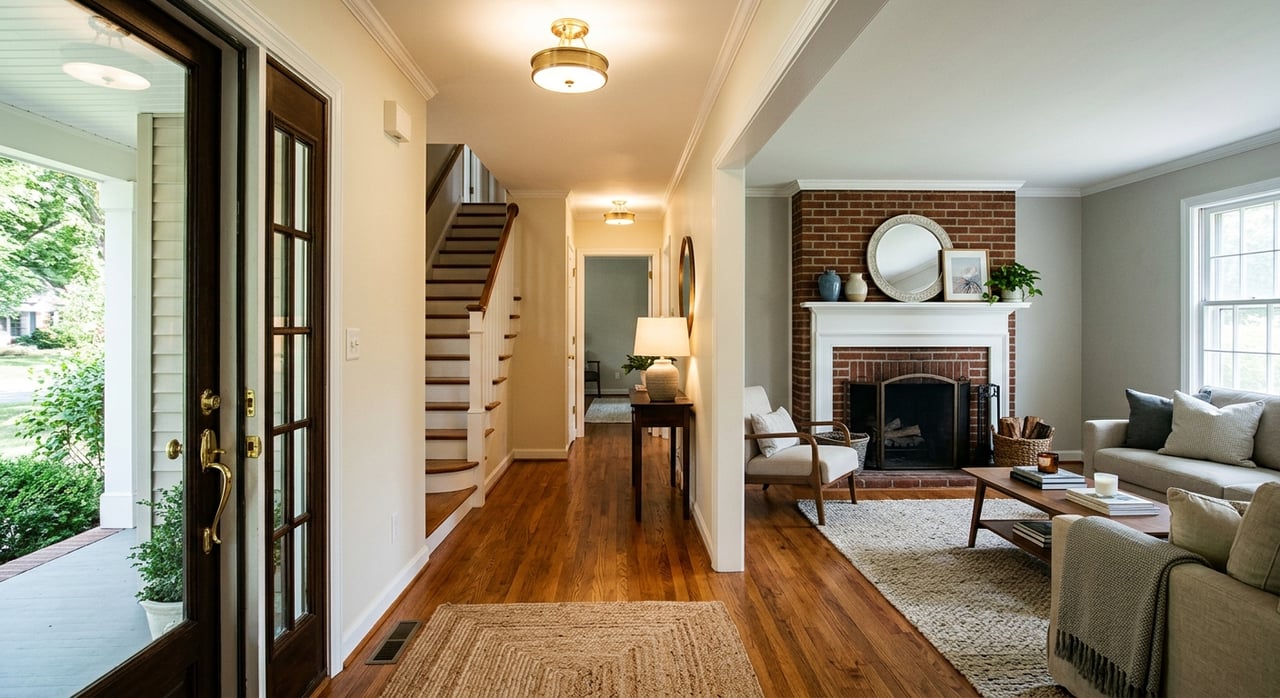
Selling an Older Thomasville Home: Updates That Count
April 2, 2026
April 2, 2026
If you are selling an older home in Thomasville, it is easy to wonder which updates will actually help and which ones will just drain your time and budget. Many older homes have the kind of character buyers love, but they can also come with aging systems, moisture concerns, and repair items that stand out during showings and inspections. The good news is that you do not need to modernize everything to make your home more marketable. You need to focus on the updates that reduce risk, improve condition, and help buyers feel confident. Let’s dive in.
Thomasville has a long history, and that shows up in its housing stock. The city’s historic preservation survey documents properties dating from 1852 through 1954, along with historic districts such as Salem Street, Randolph Street, Lexington Avenue, and Colonial Drive. In a city with that kind of housing history, many sellers are bringing homes to market that offer charm and original detail, but also need thoughtful preparation before listing.
That matters because buyers shopping older homes often look past dated finishes if the property feels well cared for. In contrast, issues like roof leaks, soft floors, musty crawlspaces, failing gutters, or outdated systems can quickly raise concerns. In other words, condition usually matters more than trend-driven upgrades when you are selling an older Thomasville home.
If you only tackle a few projects before listing, start here. Moisture problems, leaks, and obvious safety concerns are some of the most important issues to address because they often trigger buyer hesitation and inspection objections.
According to the EPA’s moisture control guidance, mold will not grow without moisture, and wet or damp areas should be dried within 24 to 48 hours while the source of the leak is fixed. The EPA also recommends stopping crawlspace or basement seepage quickly, keeping foundations from staying wet, and maintaining drainage away from the house.
That makes these pre-listing fixes especially important:
These repairs may not feel exciting, but they are often the updates that protect your sale. Buyers tend to notice signs of water and deferred maintenance right away, even if they cannot yet see the source.
Once moisture and safety issues are under control, turn to the systems that buyers and inspectors will evaluate closely. In an older home, even a well-kept one, concerns about functionality can weigh more heavily than cosmetic style.
Your pre-listing review should include the home’s:
This does not mean you need to replace every aging item. It means you should have a clear picture of what works, what has been maintained, and what may need repair. If a system is clearly defective, it is often smarter to address it before listing rather than let it become a late-stage negotiation point.
Older homes in Thomasville may also have comfort issues that buyers notice during a showing. Drafty rooms, uneven temperatures, and obvious air leaks can make a home feel less maintained, even when the home has plenty of character.
The U.S. Department of Energy notes that many older homes have less insulation than newer homes and recommends a whole-house energy assessment to identify air-sealing and insulation needs. DOE also explains that air sealing can improve energy efficiency, comfort, durability, and indoor air quality.
For sellers, that often means practical upgrades like:
These are not flashy updates, but they can help your home feel tighter, more comfortable, and better cared for.
After major condition items, focus on the smaller details that shape a buyer’s first impression. Older homes can show wear in ways that feel manageable to you as the owner but can read as neglect to a buyer walking through for the first time.
A few targeted touch-ups can make a big difference:
These updates matter because they signal upkeep. When buyers see a clean, functional, well-maintained home, they are often more comfortable with its age.
If your Thomasville home was built before 1978, do not assume every cosmetic project is simple. Older trim, windows, doors, and painted surfaces may involve lead-based paint considerations.
Under the federal lead-based paint disclosure rule, most sellers of pre-1978 homes must disclose any known lead-based paint information, provide the EPA pamphlet, and allow buyers an opportunity to conduct a paint inspection or risk assessment before the contract is signed. The EPA also explains that renovation, repair, or painting work that disturbs lead paint may need to be handled by lead-safe certified contractors when the rule applies.
North Carolina guidance also notes that firms working on applicable pre-1978 renovation projects must be certified and provide the EPA’s Renovate Right pamphlet before work begins. If you are planning substantial prep work on an older home, especially sanding, scraping, window replacement, or major surface disturbance, it is wise to verify what is required before starting.
The practical takeaway is simple: do not create a bigger issue while trying to make the home look better.
In some parts of Thomasville, exterior changes may require more than a contractor and a budget. If your property is in a local historic district or is a designated landmark, certain exterior updates may require city review.
The City of Thomasville’s design standards state that a Certificate of Appropriateness is required before exterior changes to landmark or historic-district properties, and a building permit for exterior work will not be issued without that approval. The standards also note that most interior work does not require a COA unless it affects the exterior.
That means you should check before making changes such as:
For many older Thomasville homes, small and appropriate repairs are often the better path than replacing original materials without a plan. This can save you time, avoid permitting issues, and help preserve the features that give the home its appeal.
When you sell an older home, transparency matters. North Carolina’s Residential Property Disclosure Act requires most sellers of one- to four-unit residential property to provide the Residential Property and Owners’ Association Disclosure Statement before an offer is made.
According to the North Carolina Real Estate Commission, the current disclosure form includes more detailed questions about flooding and related issues. NCREC also emphasizes that the disclosure is not a warranty and that sellers must answer based on actual knowledge. If you learn about a defect later, the disclosure should be updated and the parties informed.
For older homes, this supports a straightforward strategy: disclose known issues rather than hoping they stay hidden. Buyers are often more comfortable working through an older home’s imperfections when they believe the seller has been honest and organized.
Some Thomasville sellers are handling an inherited property or selling through an estate. In those cases, the standard disclosure process may not always apply in the same way.
The NCREC notes that transfers by a fiduciary in the administration of a decedent’s estate are among the statutory exemptions from the standard disclosure form. If you are selling an inherited older home, it is especially important to understand whether the sale fits an exemption and what your obligations may be.
This is one reason estate-related sales often benefit from a calm, well-organized plan. Older homes can already involve condition questions, and estate transactions can add another layer of complexity.
If your older Thomasville property has a private well or septic system, do not treat it like a standard city-utility home. These systems deserve their own review before listing.
Davidson County’s On-Site Water Protection program handles permitting and inspection-related matters for water-supply wells and provides educational resources. The county states that a permit is required before construction, repair, or abandonment of a water supply well.
For sellers, the key point is that a private-system home may need specialized attention. If you have a well or septic system, it is smart to gather records, understand the system’s condition, and be prepared for buyer questions early.
It can be tempting to pour money into a full kitchen remodel or other high-cost renovation before you sell. But in many older Thomasville homes, those projects are not the updates that matter most.
With a 2024 Census estimate showing a median owner-occupied home value of $179,300 in Thomasville, sellers often get better results by investing in repairs that reduce buyer concern instead of speculative luxury upgrades. If a project does not fix a defect, improve function, or support the home’s price point, it may not be the best use of your pre-listing budget.
A practical priority order looks like this:
Selling an older home in Thomasville is not about stripping away its age or trying to make it look brand new. It is about showing buyers that the home’s condition has been taken seriously and that the issues most likely to affect value, financing, or inspections have already been considered.
If you are not sure where to start, a pre-listing inspection or a specialist review for roof, moisture, lead-related work, or major systems can help you prioritize wisely. The right plan can protect your time, reduce surprises, and help you spend money where it counts most.
When you want practical guidance on preparing an older home for the market in Thomasville or anywhere in the Triad, Heidi Christie offers clear, solution-focused support tailored to your property, timeline, and goals.
October 22, 2026
October 15, 2026
October 8, 2026
October 1, 2026
September 24, 2026
September 17, 2026

September 10, 2026

September 3, 2026

August 27, 2026
Trust her 22+ years of care, discretion, and real estate savvy in Winston-Salem. From residential homes to commercial listings, she brings precision, professionalism, and a seamless experience.