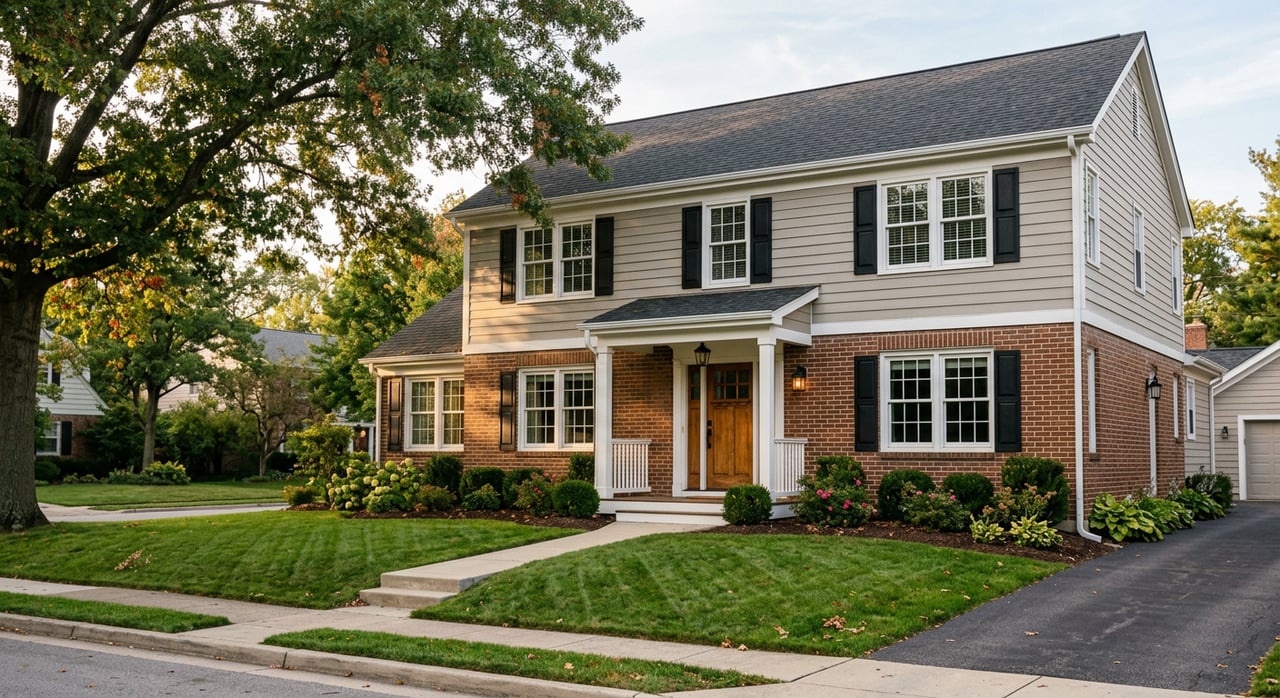
What to Expect When Selling an Estate Home in Lexington
March 24, 2026
March 24, 2026
Sorting out a loved one’s home sale in Lexington can feel heavy, especially if you are juggling probate, family logistics, and a property that needs attention. You want a clear plan, the right paperwork, and a timeline that respects both the process and your family’s needs. In this guide, you will learn who can sign to sell, when court approval applies, how disclosures work for estates, local recording steps in Davidson County, and how a skilled agent coordinates the team. Let’s dive in.
Information current as of March 16, 2026. Always confirm details with the county clerk or your probate attorney because laws and procedures can change.
The person with signing authority is usually the estate’s personal representative, either an executor named in the will or an administrator appointed by the court. The Clerk of Superior Court issues Letters Testamentary or Letters of Administration that prove this authority. You will be asked for these Letters when listing or at closing, so plan to obtain them early. You can learn more about Letters and basic estate steps on the state’s resource page at the North Carolina Dispute Resolution Commission (what Letters are and how they work).
If you are looking at a small‑estate shortcut, North Carolina’s Affidavit for Collection of Personal Property helps with accounts and personal items. It does not transfer or authorize the sale of real estate. If a home must be sold, you will generally need a personal representative and a deed from the estate. Review the official AOC instructions for the small‑estate affidavit, including the 30‑day timing from date of death, directly from the Judicial Branch site (AOC small‑estate instructions and forms).
Start by checking the will. If the will grants the personal representative a power of sale, the home can often be sold without an extra court order. If the will is silent on this, or if the sale is needed to pay debts or expenses, the representative typically must ask the Clerk for authority to sell. The rules appear in North Carolina’s estate statutes, Chapter 28A (probate statutes overview).
If a court‑authorized judicial sale is needed, the personal representative files a verified petition in the probate division. The Clerk can approve a private or public sale. For a private sale, expect a report of sale, a 10‑day upset‑bid period, and court confirmation before the deed is delivered. That upset‑bid window extends if a higher bid comes in, which can add time to closing. For a plain‑English walkthrough of these mechanics, see this practitioner summary (how judicial sales and confirmations work).
Every estate is different, but many uncontested administrations take several months. A simple administration often runs about 6 to 12 months in North Carolina, and longer if court approval for a sale is required. A judicial sale adds weeks or months for the petition, the 10‑day upset‑bid period, and court confirmation before closing. The general framework and authority are in Chapter 28A of the statutes (probate statutes overview).
For small‑estate affidavits that address personal property only, you typically must wait at least 30 days from the date of death before filing. Review the AOC instructions for exact steps and thresholds (AOC small‑estate instructions and forms).
Begin with an inventory. List valuables, family keepsakes, and items that must be set aside for beneficiaries. If you plan to include remaining household contents with the real estate sale, those items should be identified in the estate inventory and clearly described in the listing and purchase contract. A detailed list avoids confusion at accounting time. For guidance and practical considerations, see this NC practitioner overview (inventory and including contents in the sale).
If the project is large, consider an estate‑sale coordinator or professional clean‑out service. Your agent can help you vet vendors, schedule quotes, and sequence tasks so photos and showings begin on time.
A local agent can help you choose a strategy that fits the estate’s goals. You can sell as‑is, make targeted repairs with the best return, or position the home for investor buyers. If court confirmation is likely, build that timing into your listing language and contract so buyers and their closing attorneys understand what to expect. For more on the practical tradeoffs, see this concise explainer (as‑is choices and investor sales in probate).
North Carolina requires a standard Residential Property and Owners’ Association Disclosure Statement for most 1 to 4 unit sales. Estates and certain court‑ordered transfers are exempt from the form, so fiduciary sellers often do not complete it. Even when the statutory form is not required, you and your agent must still disclose material facts actually known to you. You can confirm the estate exemption language in the statute (N.C. Residential Property Disclosure Act exemptions).
Davidson County has a practical step that surprises many sellers. The Register of Deeds will not record a deed unless the County Tax Office certifies there are no delinquent ad valorem taxes, or the closing attorney’s statement is attached showing taxes will be paid from the proceeds. Plan for a 1 to 2 business day turnaround for the tax certificate. Also confirm office hours, since recordings typically stop promptly at 4:30 PM. Build this into your closing timeline to avoid last‑minute delays. Review current procedures on the county site (Davidson County Register of Deeds tax‑certificate requirement and hours).
Estate sales move smoother when one person organizes the players and paperwork. Your probate attorney files for Letters and, if needed, the petition to authorize a sale and the confirmation documents. The closing attorney checks title, confirms deed language for a personal‑representative deed, orders payoffs, secures the tax certificate, and records the deed. Your real estate agent prepares market analysis and marketing, coordinates clean‑out and contractor quotes, and manages showings and offers as your project lead. In more complex cases an appraiser, estate‑sale coordinator, and general contractors are added. A helpful practice is to name a single point of contact for decisions and provide written instructions if multiple heirs are involved. Here is a practical summary of roles and file flow from a North Carolina practitioner (team coordination in probate sales).
Budgeting early prevents stress later. Common costs include:
Selling an estate home is a legal process and a project. Your best path is to confirm authority, choose the right sale strategy, and keep local Davidson County steps front and center so recording and closing stay on track. If you want a calm, organized plan for Lexington, with vendor coordination and clear milestones, reach out to Heidi Christie to schedule a free consultation.
September 17, 2026

September 10, 2026

September 3, 2026

August 27, 2026
August 20, 2026
August 13, 2026
August 6, 2026
August 6, 2026

July 23, 2026
Trust her 22+ years of care, discretion, and real estate savvy in Winston-Salem. From residential homes to commercial listings, she brings precision, professionalism, and a seamless experience.