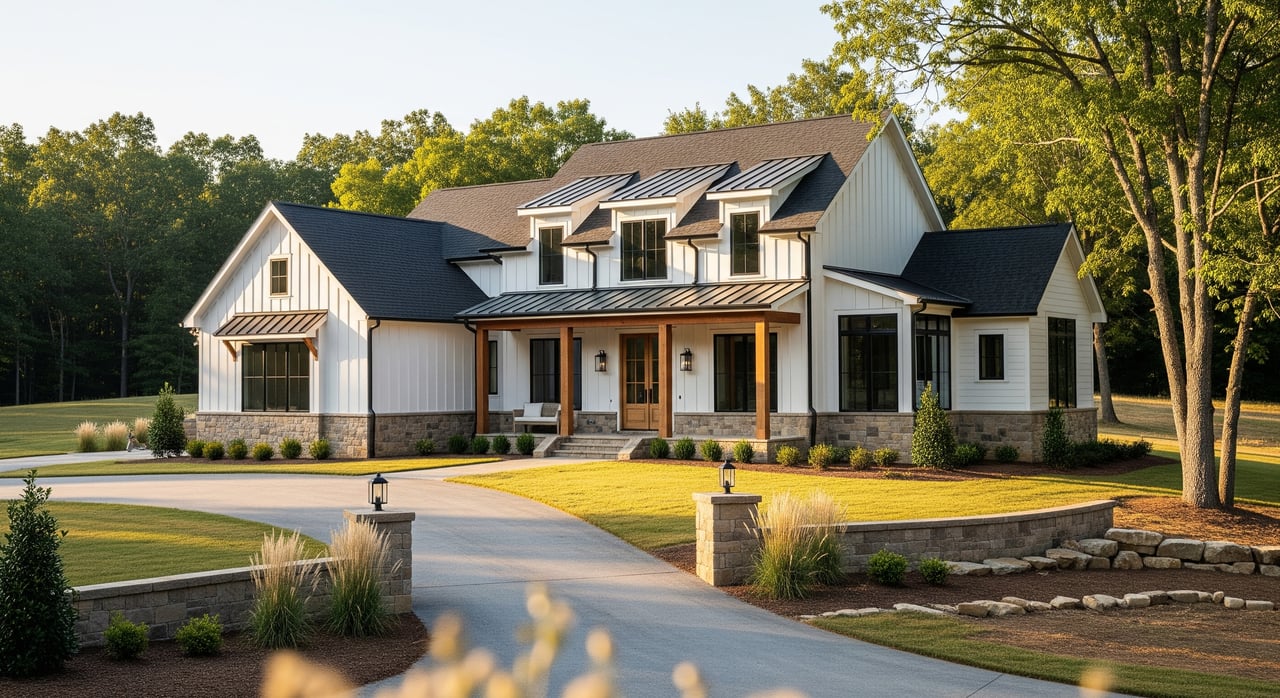
New Construction in Advance NC: Spec, Semi-Custom or Custom?
January 15, 2026
January 15, 2026
Ready to build in Advance but not sure whether to go spec, semi-custom, or full custom? You are not alone. In Davie County, factors like septic design, well permits, and HOA rules can shape your budget and timeline as much as the floor plan you choose. This guide breaks down each path, local considerations, and the contract protections that help you control costs and stay on schedule. Let’s dive in.
A builder constructs a home without a specific buyer, then lists it for sale. You get the fastest move-in because the home is finished or near completion. Your design input is limited to what is still changeable when you go under contract. Pricing is closer to list price, and your contract resembles a resale purchase.
You start with the builder’s base plan and choose from prepriced options and packages. You get moderate control over finishes and some plan tweaks, usually with a shorter build time than a fully custom home. The contract should spell out inclusions, selected options with prices, a timeline or completion date, and a clear change-order process.
You design the home, often on your own lot, and specify materials and systems from the ground up. You get maximum control, along with the longest timeline due to design, engineering, and permitting. Contracts can be fixed-price, cost-plus, or guaranteed maximum price and should include detailed draws, change-order rules, and delay remedies.
Weather, material lead times, labor availability, and lender draw inspections can extend any timeline. Confirm current lead times for windows, appliances, and cabinets before you commit.
Many Advance-area homes rely on private wells and septic systems. Septic design and perc testing can add time and cost and may limit house size or placement. If your dream plan needs more bedrooms than the septic system allows, you may need to adjust layout or expectations.
Building permits, septic and well permits, and subdivision approvals run through Davie County departments. Review steps and expected timing with your builder. Permit timing varies with workload and completeness of the plans you submit.
If you buy in a subdivision with municipal utilities or an HOA, CCRs and architectural review may shape exterior materials, colors, and site placement. Confirm architectural standards early so selections do not trigger redesign or delays.
Local builders often know the county inspection cadence, septic installers, and subcontractors. Out-of-area builders can work well, but verify their license, insurance, warranty response process, and use of local trades before you sign.
These function like resale purchase agreements because most construction is done. Confirm included appliances and fixtures, the builder’s written warranty, and the definition of final acceptance. If you request any added work, ask for a fixed price and a firm completion date.
Ask for a detailed inclusion list, an itemized option list with prices, and a completion date or construction schedule with milestones. Define substantial completion versus final completion and include a holdback or escrow for punch list items. Require a clear change-order process that lists how costs and timelines will be adjusted, plus written warranty terms.
Choose the contract structure that fits your risk tolerance: fixed-price, cost-plus, or a guaranteed maximum price. Include a draw schedule tied to milestones, a written change-order process, and a retention clause that holds a portion of final payment until punch list completion. Consider a liquidated damages clause for missed substantial completion or a completion bonus. Define occupancy conditions and who handles utilities and insurance before closing.
Allowances are placeholders for items you have not selected yet, like cabinets or lighting. The most common pitfalls are low allowances that do not match your taste and vague scopes that fuel disputes.
Best practices:
Confirm that your builder is approved for your loan program and that the lender is comfortable with the draw schedule and inspection cadence.
For construction loans, lenders send inspectors for draws, but you should also hire independent inspections. Three common checkpoints are pre-pour or foundation, pre-drywall, and pre-closing. At the final walk, agree on a punch list, allow a reasonable cure period, and tie final funds or a holdback to completion of those items.
Before contract:
During negotiation:
During construction:
With more than 450 successful closings across the Triad and extensive new construction experience, Heidi brings the negotiation, documentation, and scheduling discipline that keeps your build on track.
Ready to map your next steps in Advance? Let’s tailor a plan that fits your timeline, budget, and wish list. Schedule a free consultation with Heidi Christie to get started.
July 23, 2026
July 16, 2026
July 9, 2026
July 2, 2026
June 25, 2026
June 18, 2026
June 11, 2026
June 4, 2026
May 28, 2026
Trust her 22+ years of care, discretion, and real estate savvy in Winston-Salem. From residential homes to commercial listings, she brings precision, professionalism, and a seamless experience.